

Blog
Front Load Washing Machine Buying Guide: 7kg vs 8kg vs 10kg

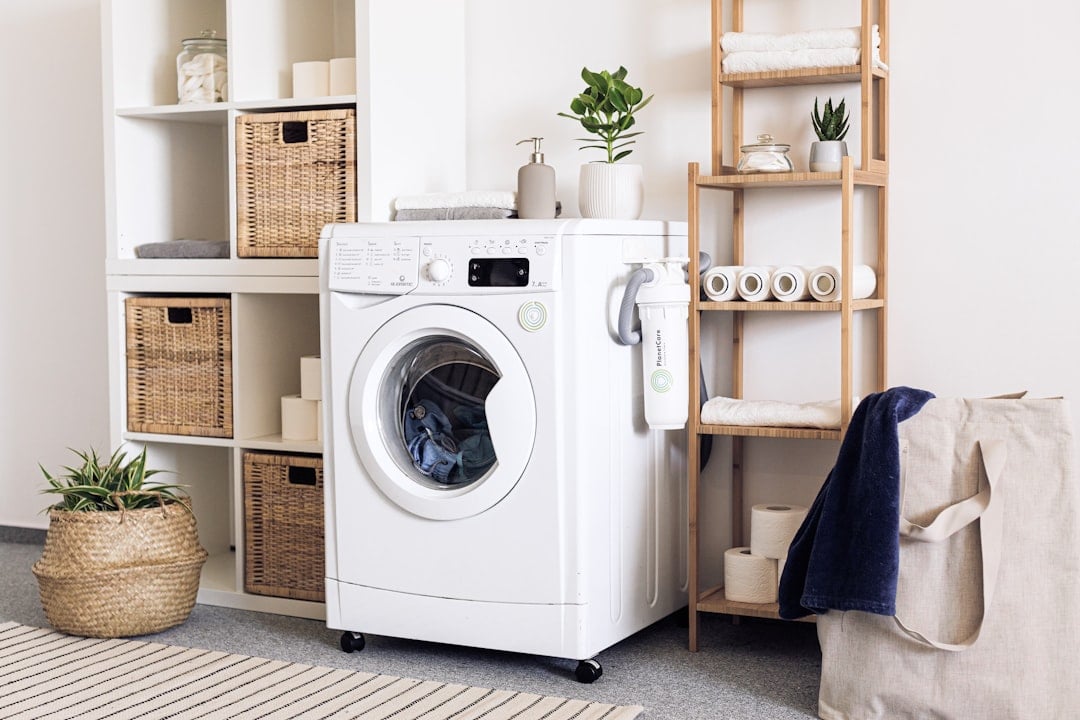

Short answer: match the drum to your household – 7kg for one or two people, 8kg for a family of three or four, and 10kg or more for a large family or anyone who washes bulky bedding. Then prioritise an inverter motor for lower running cost and quieter spinning, and a high spin speed to get laundry drier before it goes on the line or in the dryer. Capacity is the decision people get wrong most often.
| Capacity | Best for | In one load |
|---|---|---|
| 6-7 kg | 1-2 people | A typical daily wash |
| 8 kg | 3-4 people | A family load, or a light duvet cover |
| 9 kg | 4-5 people | Larger family loads |
| 10 kg and above | Large family, frequent bedding | A double duvet, or heavy weekly loads |
The bigger machine does not mean more washing, it means fewer washes. A family of four on a 7kg machine runs it far more often, which costs more in water, electricity and time. If you regularly wash bedding, size up. But if it is just you, a 10kg machine run half-empty wastes water and energy – buy for the loads you will really run.
Front loaders use less water, spin faster so clothes come out drier, wash more thoroughly and let you fit a dryer or a counter on top. The trade-off is a longer cycle and a locked door mid-wash. Top loaders have shorter cycles and let you add items mid-wash, but use more water and generally spin slower. Where water and power both cost real money, the front loader usually wins.
An inverter (direct drive) motor connects straight to the drum with no belt, adjusts its speed precisely, and has fewer parts to wear out. That means lower electricity use, noticeably less noise and vibration – which matters in an apartment – and a longer service life, which is why inverter models typically carry a 10-year motor warranty. If the machine sits near a living area, the quieter spin alone is worth it.
Higher spin speed means clothes spend less time on the line – useful in humid coastal air – and a shorter, cheaper dry cycle if you own a dryer. Pair a high-spin washer with one of our dryers, or consider an all-in-one washer dryer if space is tight.
See the full range in our washing machines category, with cash on delivery across Lebanon and 2–3 day delivery.
An 8kg drum suits most families of four, handling everyday loads and lighter bedding. If you wash duvets and towels frequently, a 9kg or 10kg machine means fewer, larger loads.
For most homes, yes. Front loaders use less water, spin faster so laundry comes out drier, and let you place a dryer or counter on top. Top loaders have shorter cycles and let you add items mid-wash, but use more water.
1,200 RPM is a good balance for most households. 1,400 RPM or higher gets laundry noticeably drier, which shortens line-drying time and reduces the load on a dryer.
Yes for daily use. Inverter (direct drive) motors are quieter, vibrate less, use less electricity and generally last longer, which is why they often carry a 10-year motor warranty.
Per full load, a larger machine uses more water, but it also washes more per cycle. The waste comes from running a large machine half-empty, so buy the capacity that matches the loads you actually run.
No account yet?
Create an Account